


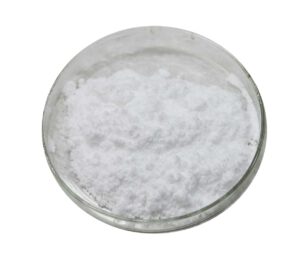
Trehalose is a whitish, stable, powdery disaccharide that consists of two glucose molecules. The “double sugar” is not reducing.
Trehalose exists naturally in plants, animals and microorganisms, and has long been known to humans as a dietary component of fungi, baker’s and brewer’s yeast, algae and lobsters. Trehalose is thought to play a key role in the maintenance of biomembranes and in the revival of certain biological functions after desiccation or freezing.
Trehalose is produced in an enzymatically controlled process.
Due to its slightly hygroscopic properties, trehalose acts as a humectant and protects the skin from drying out. It is also a suitable stabilizer and viscosity regulator.
Recommended concentrations are 1 to 3% for skin care products.
Trehalose Production Process
Trehalose is produced through an enzymatically controlled process, ensuring a high-quality, pure end product. This method of production makes it possible to harness the beneficial properties of trehalose in various applications, including cosmetic products. The controlled nature of its production ensures consistent quality, making it a trusted ingredient for manufacturers seeking reliable ingredients for their formulations.
INCI Trehalose
CAS 6138-23-4
Benefits for Skin Care Formulations
Due to its slightly hygroscopic nature, trehalose acts as a humectant, helping to retain moisture in the skin and preventing dehydration. It is also an effective stabilizer and viscosity regulator, providing both functional and sensory benefits in formulations. Recommended concentrations of 1 to 3% are ideal for skin care products, making it a versatile ingredient for moisturizers, serums, and other cosmetic applications.
INCI Trehalose
CAS 6138-23-4